Welcome to the Amalgamate Solutions Radiation Safety Blog. Here, you can find helpful information about radiation protection, workplace safety, and regulatory compliance.
We cover topics for businesses that use radiation-producing equipment, radioactive materials, industrial X-ray systems, and lasers. Whether you work in manufacturing, research, engineering, or another industry, radiation safety matters. It helps protect employees and supports safer workplaces.
Why Radiation Safety Information Matters
Radiation safety is an important part of workplace protection. Organizations must understand the hazards linked to their equipment and materials. They also need clear safety procedures to protect their employees.
However, safety practices should not remain the same forever. Equipment, work activities, and regulations can change. Therefore, safety professionals should review their programs and look for ways to improve them.
At Amalgamate Solutions, we share useful articles and practical guidance. Our goal is to help businesses, researchers, and safety professionals better understand radiation protection.
Explore Our Topics
The Radiation Safety Blog provides practical information to help businesses and safety professionals stay informed about radiation protection, workplace hazards, and regulatory requirements.
Explore our articles to learn more about:
- Industrial X-Ray Safety: Learn about equipment inspections, shielding, interlocks, and employee training.
- Radiation Protection: Understand ALARA principles, exposure management, and radiation safety programs.
- Laser Safety: Discover hidden laser hazards, safety evaluations, and protective measures.
- Regulatory Compliance: Learn about NRC requirements, Agreement State regulations, and safety responsibilities.
- Radiation Safety Audits: Understand common violations, documentation, inspections, and program improvements.
Each topic provides useful information to help organizations improve their safety practices. In addition, our articles explain important safety topics in a clear and practical way.
Learn More About Radiation Safety
Browse our latest articles below. You can explore different safety topics, learn about regulatory updates, and discover ways to protect your employees.
If your organization needs additional support, visit Amalgamate Solutions to learn more about our radiation safety training, consulting, and compliance services.
For official radiation protection requirements, you can also review the Nuclear Regulatory Commission’s 10 CFR Part 20 regulations.
-
Industrial X-Ray Equipment Safety: A Complete Guide to Inspection, Shielding, Interlocks, and Training
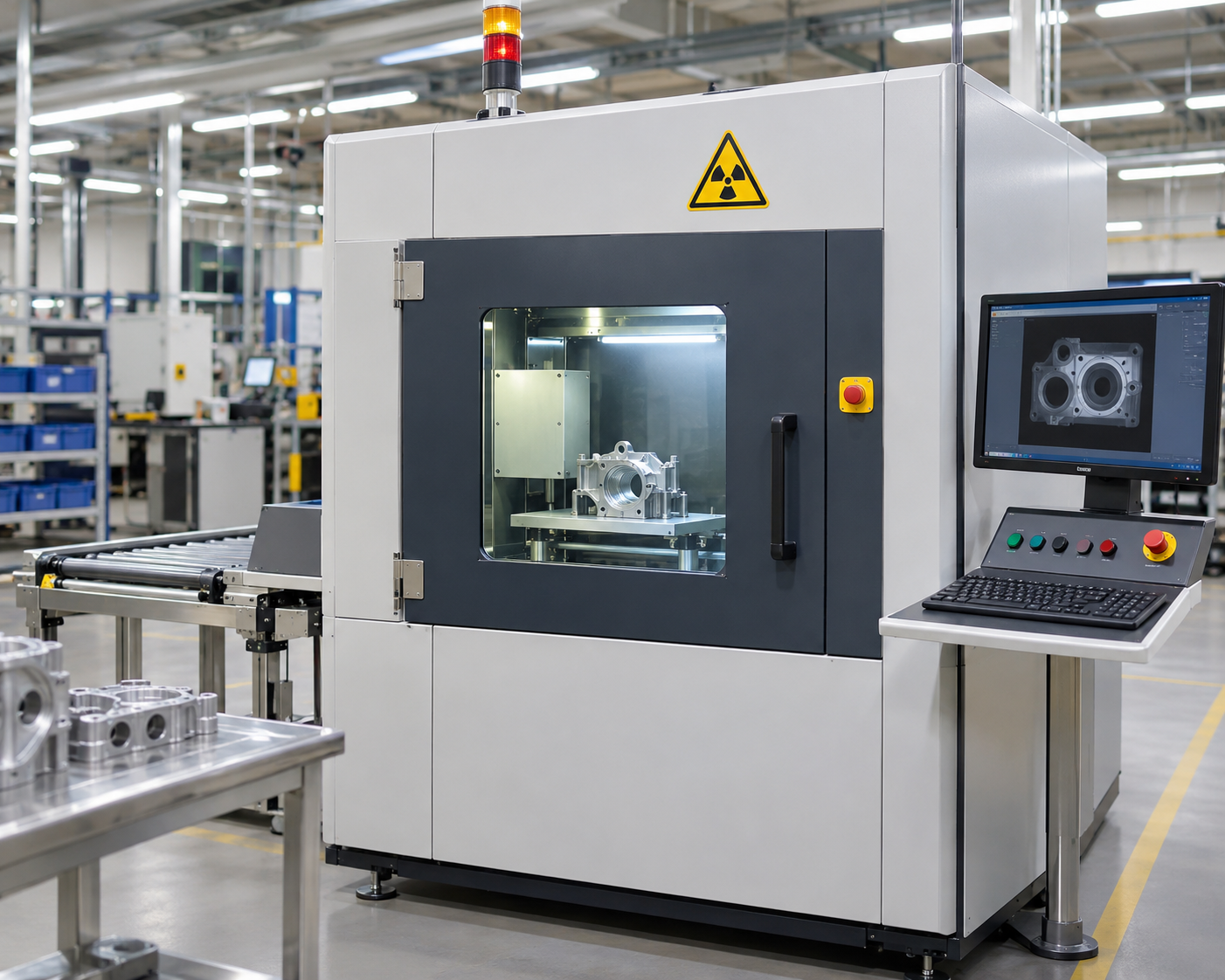
Industrial X-ray equipment used for manufacturing inspection Industrial X-ray safety is important for businesses that use X-ray equipment in manufacturing, engineering, research, and quality control. Proper X-ray safety practices help protect employees and prevent unnecessary radiation exposure. Proper safety procedures help protect employees, support responsible operations, and maintain a safer workplace. In this guide, we…
-
NRC Proposes Radiation Protection Changes: How Replacing ALARA With a Risk-Informed Framework May Affect Licensees
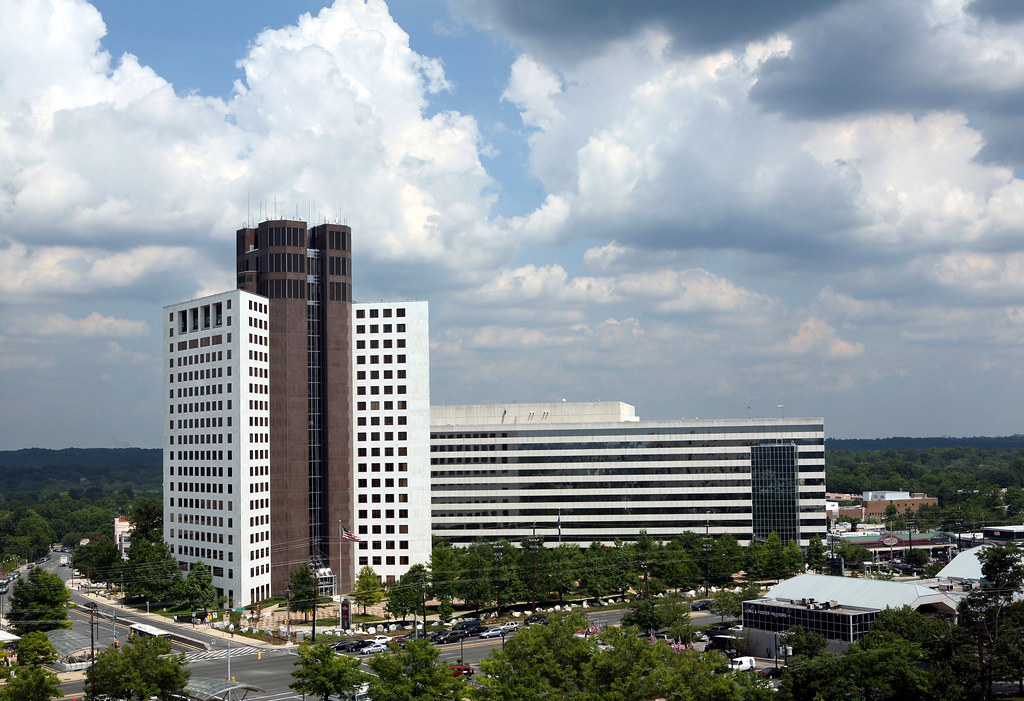
The proposed NRC Radiation Protection changes could significantly affect how licensees manage radiation safety, occupational exposure, and regulatory compliance. The U.S. Nuclear Regulatory Commission (NRC) is considering a more objective, risk-informed, and performance-based framework that may change existing ALARA expectations. On July 1, 2026, the NRC announced a proposed rule that could significantly change how…
-
The Hidden Risks of Lasers and Why a Label Isn’t Enough
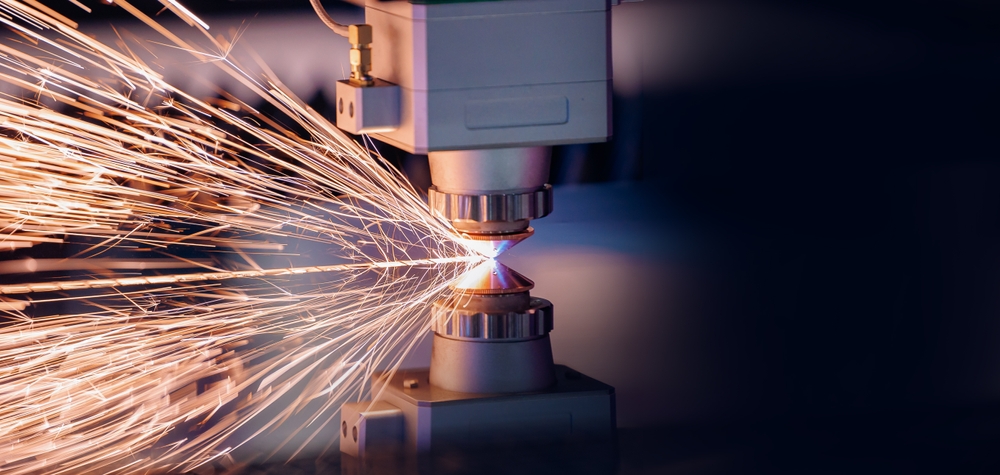
A Laser Hazard Evaluation is essential for facilities that use lasers in bioprocessing laboratories, manufacturing environments, and research and development (R&D) spaces. Warning labels and safety glasses alone may not adequately protect workers from hidden hazards such as beam reflections, maintenance activities, and alignment procedures. A thorough evaluation helps identify potential exposure risks and determine…
-
Practical Ways to Keep Doses ALARA
Radiation safety goes beyond simply meeting regulatory limits. The concept known as ALARA, or As Low As Reasonably Achievable, is the foundation of modern radiation protection. The Nuclear Regulatory Commission defines ALARA as making every reasonable effort to maintain exposures far below dose limits, consistent with the purpose of the activity. When organizations apply ALARA…
-
Developing an Audit Ready Radiation Protection Program
Introduction The use of radioactive material, radiation-producing machines, and nuclear technologies play a huge role in our lives everyday. There are countless uses for these technologies in our society, and some that you may not be thinking of. Every company that uses radioactive materials, radiation-producing machines, or nuclear technologies must comply with federal and/or state…
-
Common Radiation Safety Violations and How to Avoid Them
Introduction Radiation and nuclear material are essential tools across industries—from medical imaging to industrial radiography to nuclear power. While the benefits are significant, the risks of mishandling radioactive materials are equally serious. To protect workers, the public, and the environment, federal and state regulators such as the Nuclear Regulatory Commission (NRC) and Agreement State agencies…
-
Understanding NRC vs. Agreement State Regulations

Key takeaways: Introduction Navigating the world of nuclear and radioactive material regulation can feel daunting, particularly for businesses in fields like healthcare, manufacturing, lab research, oil and gas, or construction that deal with radioactive materials. There are two sets of regulatory bodies that you must be aware of: Although the goal—ensuring safety—is shared, the path…
-
Navigating the Future of TENORM Regulation:

Understanding the Proposed Revisions to CRCPD Part N Introduction Technologically Enhanced Naturally Occurring Radioactive Material (TENORM) has become a focal point in radiation protection due to its prevalence in various industries, including oil and gas, water treatment, and mining. Recognizing the need for updated regulatory frameworks, the Conference of Radiation Control Program Directors (CRCPD) has…